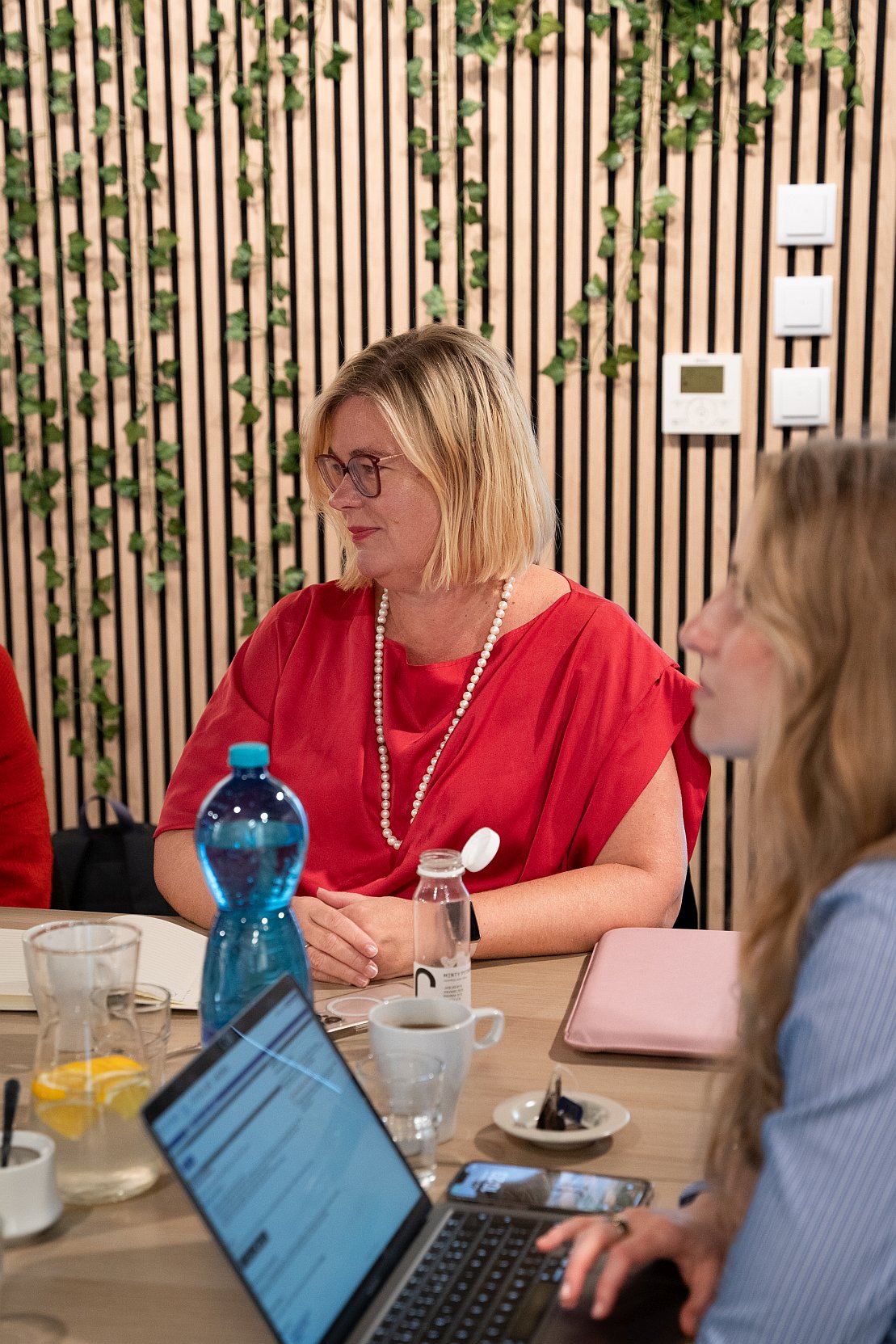
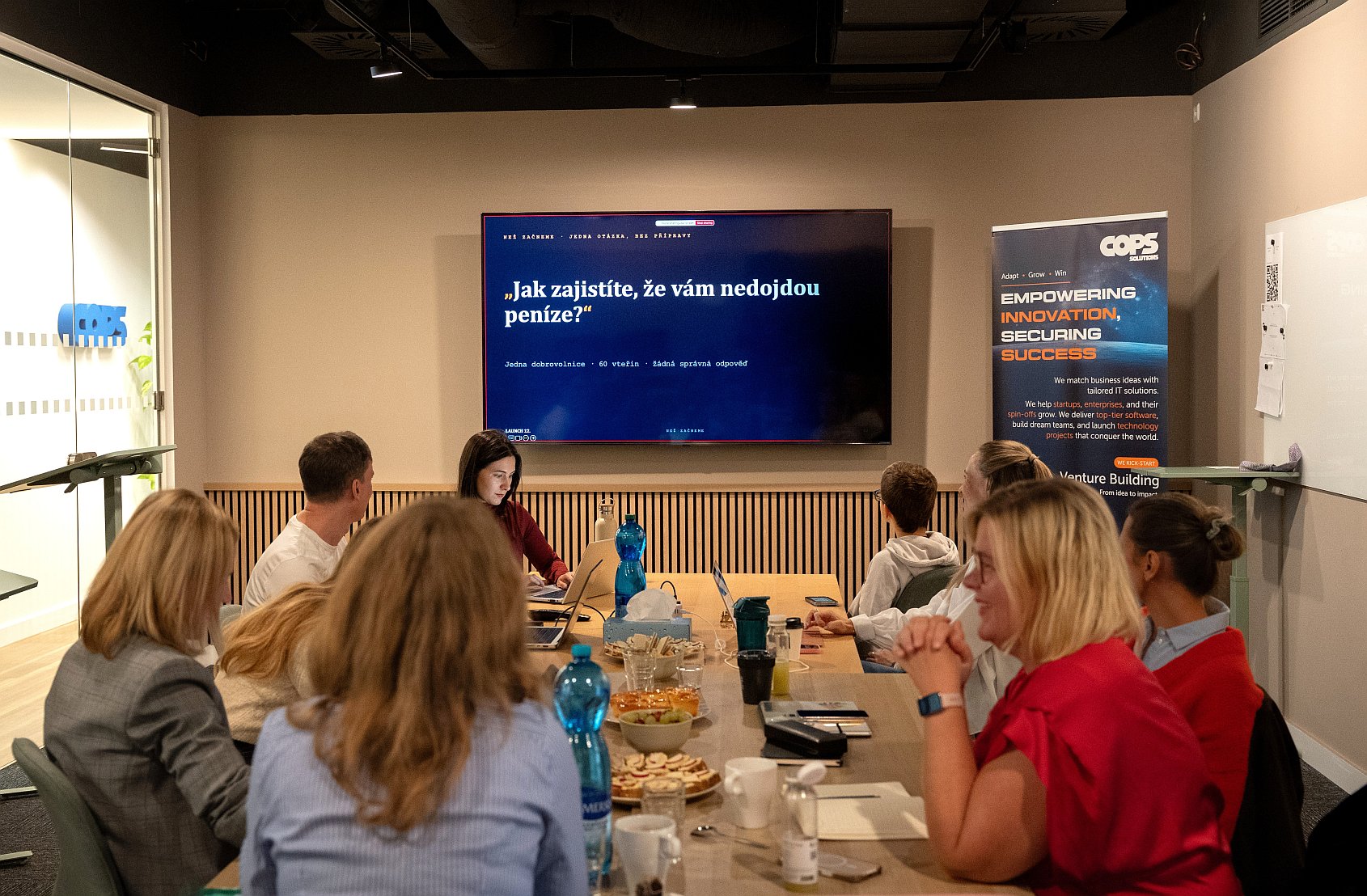
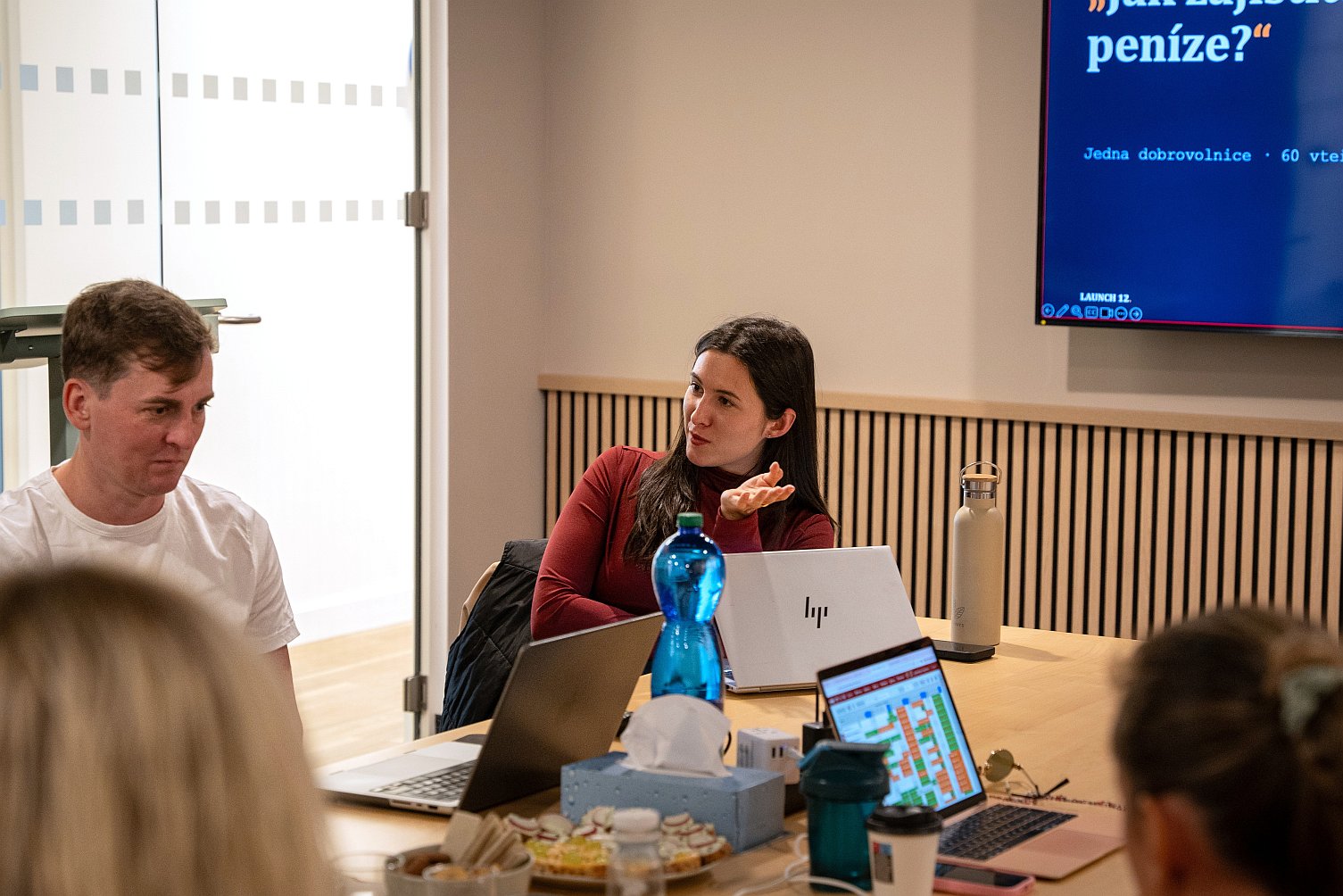
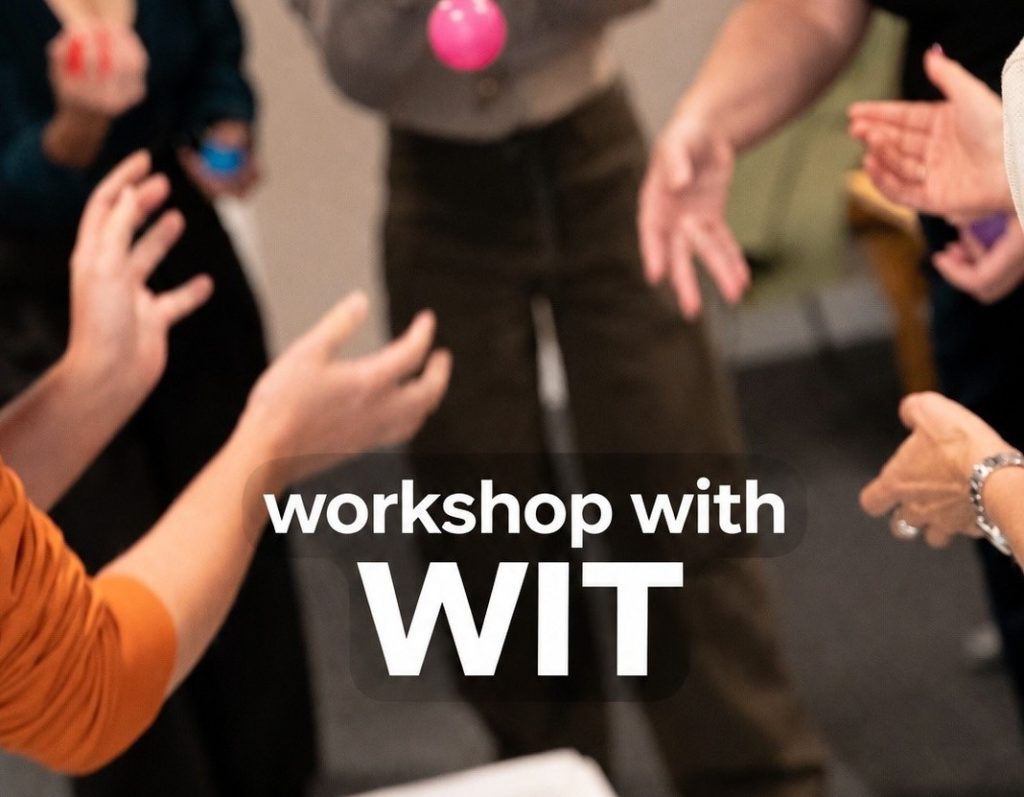
At COPS Solutions we ran a workshop for Women in Tech, the programme led by Linda Štucbartová, about the one conversation that decides a funding round. The main finding isn’t about the founders. It’s about the questions they’re asked, and about how little we know about this in Czechia.
The numbers aren’t moving
All-female founding teams got 1.3% of European venture capital in 2025, according to PitchBook. So far in 2026 it’s 1%.
In Czechia, women made up 7.8% of the founders who raised money last year, according to Rolu data. The founders of the three best-known Czech unicorns, Rohlik, Productboard and Mews, don’t include a single woman.
The easy explanation is that women start fewer companies, or weaker ones. Research points somewhere else: to a single conversation.
Comparable startups, different questions
Dana Kanze and her colleagues analysed 1,857 questions that investors asked startups at TechCrunch Disrupt between 2010 and 2016. They sorted them into two kinds:
- Growth questions: How will you acquire customers? How big is the market? Where can this go?
- Risk questions: How will you keep customers? What market share can you defend? When will you break even?
67% of the questions to male founders were about growth. 66% of the questions to female founders were about risk. And female investors asked exactly the same way. This isn’t a few bad actors. It’s a learned pattern, and all of us carry it.
Why the question matters
Startups that got more risk questions raised less money: roughly $3.8 million less for each additional one. That’s a correlation, not proven cause, but the mechanism is easy to see. 85% of founders answer in the frame the question sets. Ask about risk and you get a risk story. And a risk story doesn’t sound like a future unicorn.
What we did about it
At the workshop, founders practised taking a risk question and turning it back into a growth story in three steps:
- Acknowledge the risk in one sentence.
- Turn the answer towards growth.
- Prove it with a number.
The research backs this up. In an experiment with 194 angel investors, founders who answered a risk question with a growth answer attracted 55% more money.
But the fix can’t sit with founders alone
Look at the usual advice: pitch better, be more confident, turn the question around. Almost all of it asks women to adapt to a biased conversation. Founders will keep adapting, because the next investor meeting won’t wait for the system to change. But that’s a patch. The questions are the problem, and the people asking them can fix it faster.
Four ways to change the numbers
- Measure it. Investors, log which questions you ask women and which you ask men over your next ten pitches. It takes a notebook and ten minutes.
- Standardize it. Use one question list for every founder: growth first, risk second. Hiring moved to structured interviews for the same reason.
- Publish it. Every Czech ecosystem report should track funding by founder gender, every year, in the same way.
- Require it. LPs and public funds can ask the VCs they back for this data. Money follows what gets measured.
None of this costs money. It takes someone to go first.
Czechia is flying blind
The research this debate rests on is American. We don’t know whether Czech investors ask women and men different questions, because nobody has checked. As long as we don’t measure it, everyone can assume it’s different here.
So here’s the challenge to Czech funds and angel groups: run the ten-pitch test and share what you find. If there’s no gap, I’ll happily stand corrected. And to founders: next time an investor asks how you won’t fail, tell them how big it can get.
Thanks to Linda Štucbartová and all the founders who joined the workshop.
Resources
PitchBook: A new wave of VC funds bets on female founders (Sep 2026)
Lupa.cz: Startupy v roce 2025 (Rolu data)
HBR: Male and Female Entrepreneurs Get Asked Different Questions by VCs
Kanze et al., Academy of Management Journal 2018